Category: Environment
MTWAPA, Kilifi County—Efforts to restore mangrove forests along Kenya’s coastline are facing significant challenges, with experts warning that 80% of current planting initiatives fail due to lack of proper guidance and ecological understanding.
At a recent conference for environmental experts and journalists organized by WWF-Kenya in Mtwapa, Kilifi County, researchers emphasized the need for science-based approaches to mangrove restoration.
Dr. Judith Okelo of the Kenya Marine & Fisheries Research Institute (KMFRI) stressed that successful restoration must follow natural ecological processes rather than simply planting seedlings indiscriminately.
“Restoration must address the underlying causes of mangrove degradation,” said Dr. Okelo. “We must create conditions where mangroves can thrive naturally, instead of planting seedlings that later dry up on unsuitable shorelines.”
Kenya Forestry Research Institute (KEFRI) researcher Henry Komu echoed this view, urging community groups and conservation organizations to use ecological knowledge to select the appropriate mangrove species for each site.
Experts highlighted that understanding environmental differences along the coast, such as tidal patterns, salinity, and soil type, is crucial for restoration success. Improper planting has often resulted in widespread failure, wasting resources and undermining conservation efforts.
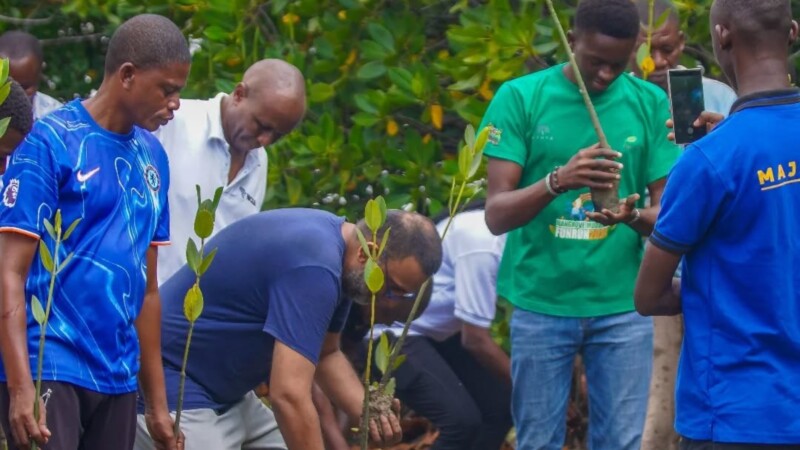
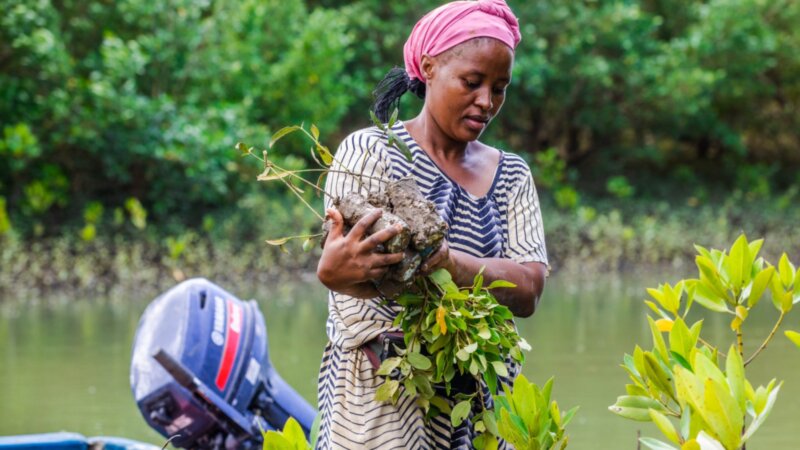
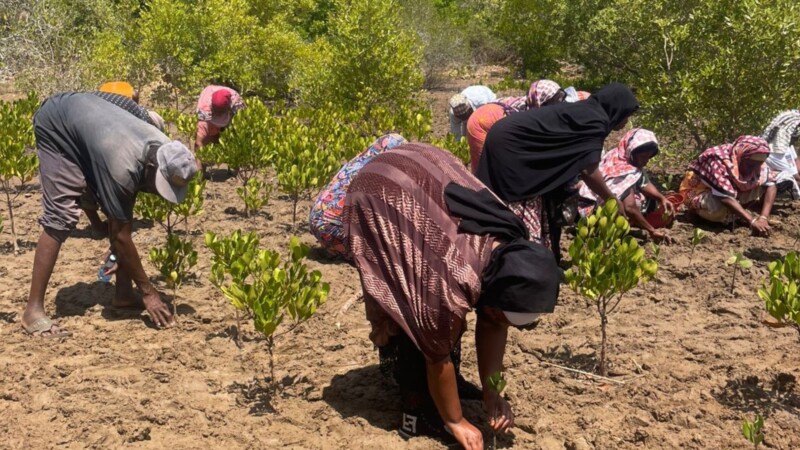
Across the coastal region, communities have been leading innovative mangrove restoration programs. In Mombasa, groups such as the Big Ship Organisation have mobilized local residents to plant thousands of mangrove seedlings along degraded shores while providing alternative livelihoods like eco-tourism and beekeeping to reduce pressure on the ecosystem.
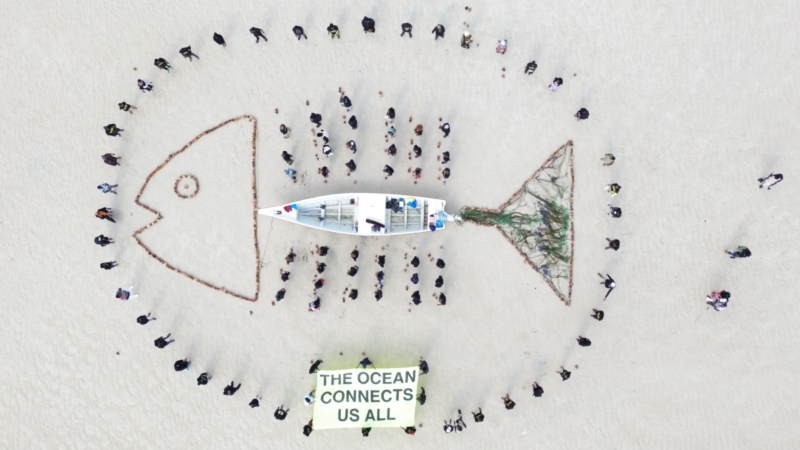
In Lamu, youth groups under the leadership of Nasoor Mahfudh Mohammed have been engaging young people in coastal clean-ups, mangrove planting, and awareness campaigns using sports and community gatherings to educate residents on the importance of protecting the ocean and its ecosystems.
These initiatives demonstrate that successful mangrove restoration combines scientific guidance with community engagement, creating a sustainable approach that protects biodiversity, strengthens coastal resilience, and empowers local populations to take ownership of conservation efforts.