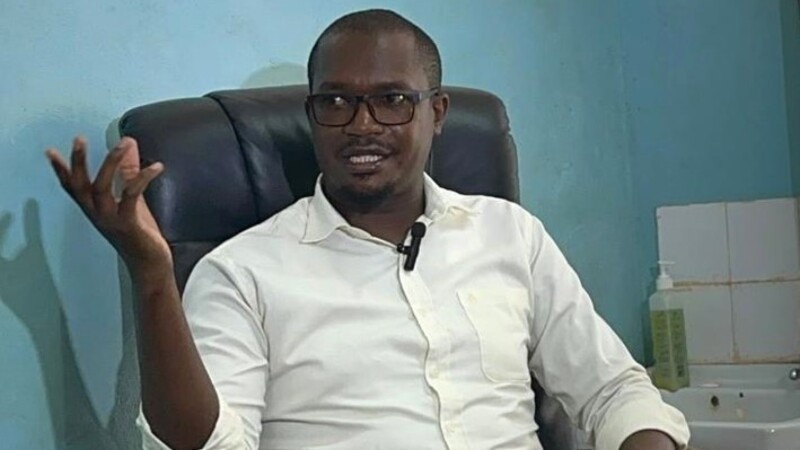
Mental Health Innovations and Research (MEHIR) lead consultant and clinical psychologist Dr. Soud Tengah has called for urgent, coordinated, and well-resourced mental health interventions within learning institutions, warning that students across the Coast region are grappling with complex psychosocial challenges that risk escalating into severe mental health disorders if left unaddressed.
Dr. Tengah made the remarks while engaging guidance and counselling teachers from Coast Regional Senior Schools in a high-level forum to unpack emerging mental health concerns affecting learners within the Competency-Based Education (CBE) framework.
Despite operating under significant resource constraints, the resilience and commitment demonstrated by teachers in safeguarding student well-being stood out prominently during the deliberations.
“As educators shoulder academic responsibilities, they are simultaneously navigating the emotional and psychological realities of their students—often without adequate structural support,” Dr. Tengah noted.
Drawing from his experience as a psychologist and mental health systems strategist involved in both training and frontline practice—working directly with students, families, communities, and corporate institutions — Dr. Tengah emphasized that the challenges facing learners today are layered and multifaceted.
Among the issues highlighted during the forum were absenteeism, teenage pregnancy, transactional sexual relationships commonly referred to as “wababa,” abortion, same-sex sexual experimentation, substance use, and the destabilising effects of dysfunctional family environments.
Participants noted that many of these challenges are deeply rooted in socioeconomic pressures, shifting family dynamics, digital exposure, and limited access to structured psychosocial support systems.
According to Dr. Tengah, early exposure to such stressors, when not adequately addressed, often manifests later in university settings and early adulthood as anxiety disorders, depression, substance dependence, identity crises, self-harm tendencies, and other complex mental health conditions.
The discussions highlighted a critical gap: while schools remain one of the most strategic entry points for prevention, early identification, and timely intervention, existing mental health responses within learning institutions remain fragmented and under-resourced.
“The CBE framework emphasizes holistic development, yet psychosocial systems supporting that vision must be strengthened to match its ambition,” Dr. Tengah observed.
He urged program architects, policymakers, and mental health civil society actors to re-examine current interventions, priorities, and implementation strategies.
He called for structured school-based mental health systems that move beyond reactive responses and instead institutionalize preventive programming, teacher capacity building, routine psychosocial screening, and stronger collaboration between schools, families, and mental health professionals.
The forum concluded with a renewed call for multi-sectoral collaboration to build resilient mental health frameworks capable of protecting and empowering learners in an increasingly complex social environment.
Dr. Tengah urged for a continued dialogue and partnerships aimed at safeguarding the well-being of the young generation, emphasizing that investing in school-based mental health systems today is an investment in national stability, productivity, and long-term social cohesion.