A new initiative aimed at transforming the livelihoods of small-scale traders has been unveiled in Mombasa, with leaders rallying informal businesses to join a structured savings and support network.
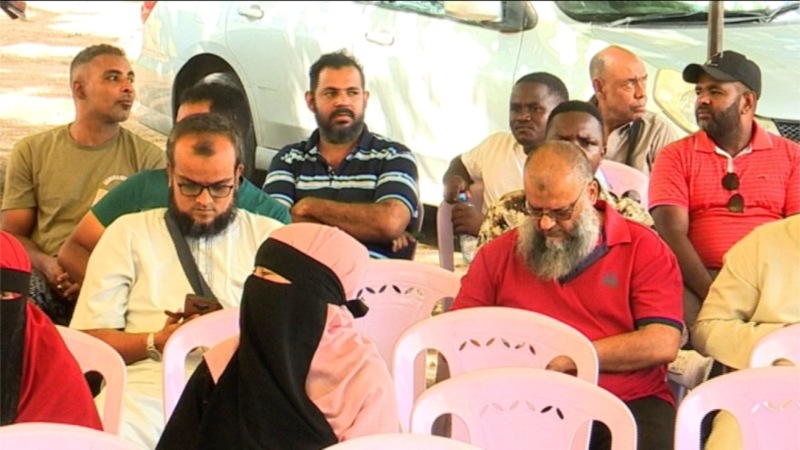
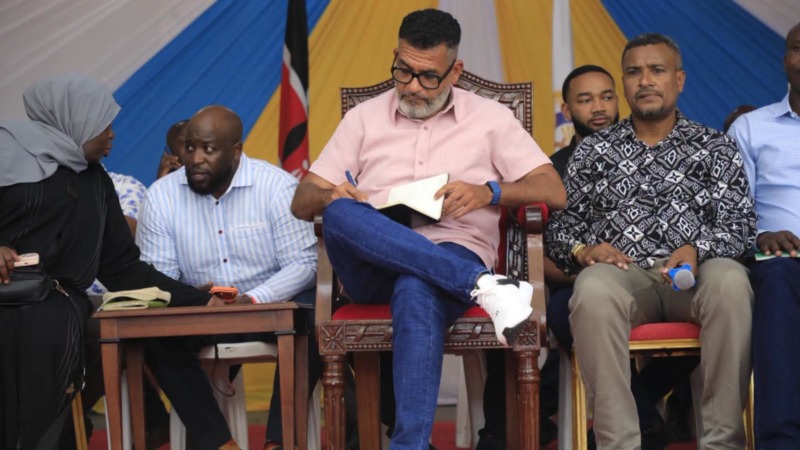
The Mombasa Vendors Sacco was officially launched at Makadara Grounds, bringing together dozens of traders, including women and youth, in a bid to strengthen grassroots entrepreneurship across the county.
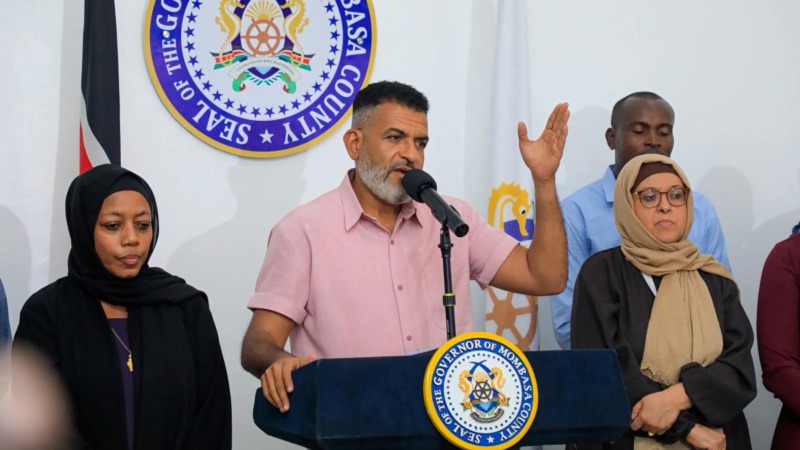
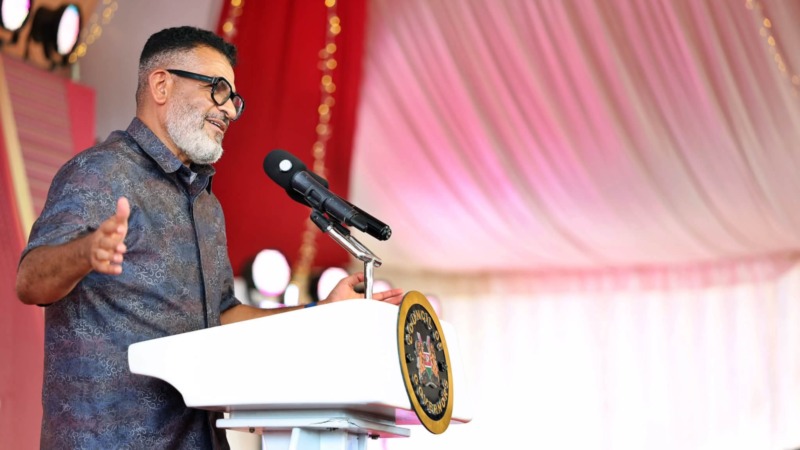
Speaking during the launch, Nyali MP aspirant Said Abdala said the Sacco is designed to organize small traders who often operate independently without access to meaningful support systems.

He noted that many informal businesses struggle due to lack of coordination, funding, and mentorship, adding that the Sacco will serve as a unifying platform to help traders grow and stabilize their enterprises.
“We want to see women, youth and small traders succeed in their businesses and improve their livelihoods. Our focus is on empowering them, not personal gain,” he said.
Co-founder Hamis Kiwaka said the initiative seeks to bridge long-standing gaps that have left small traders locked out of government-backed opportunities.
According to him, the Sacco will bring together traders under one umbrella, allowing them to access support tailored to their individual business challenges while also enabling them to participate more actively in the formal economy.

He added that the group will work closely with leaders and stakeholders to ensure traders benefit from available resources and are better positioned to contribute to economic growth.
Organizer Aisha Omar said the Sacco has already mobilized nearly 100 women and youth, many engaged in micro and online businesses.
She highlighted efforts to link members with government funding opportunities such as Uwezo Fund, noting that awareness of such programs remains low among grassroots traders.

Beyond funding, the Sacco also aims to expand market access for its members beyond Mombasa, targeting cities such as Nairobi and Kisumu.
Leaders behind the initiative say the long-term goal is to turn unemployed youth and struggling women into self-reliant entrepreneurs, while boosting household incomes and increasing government revenue through a more structured and inclusive business environment.