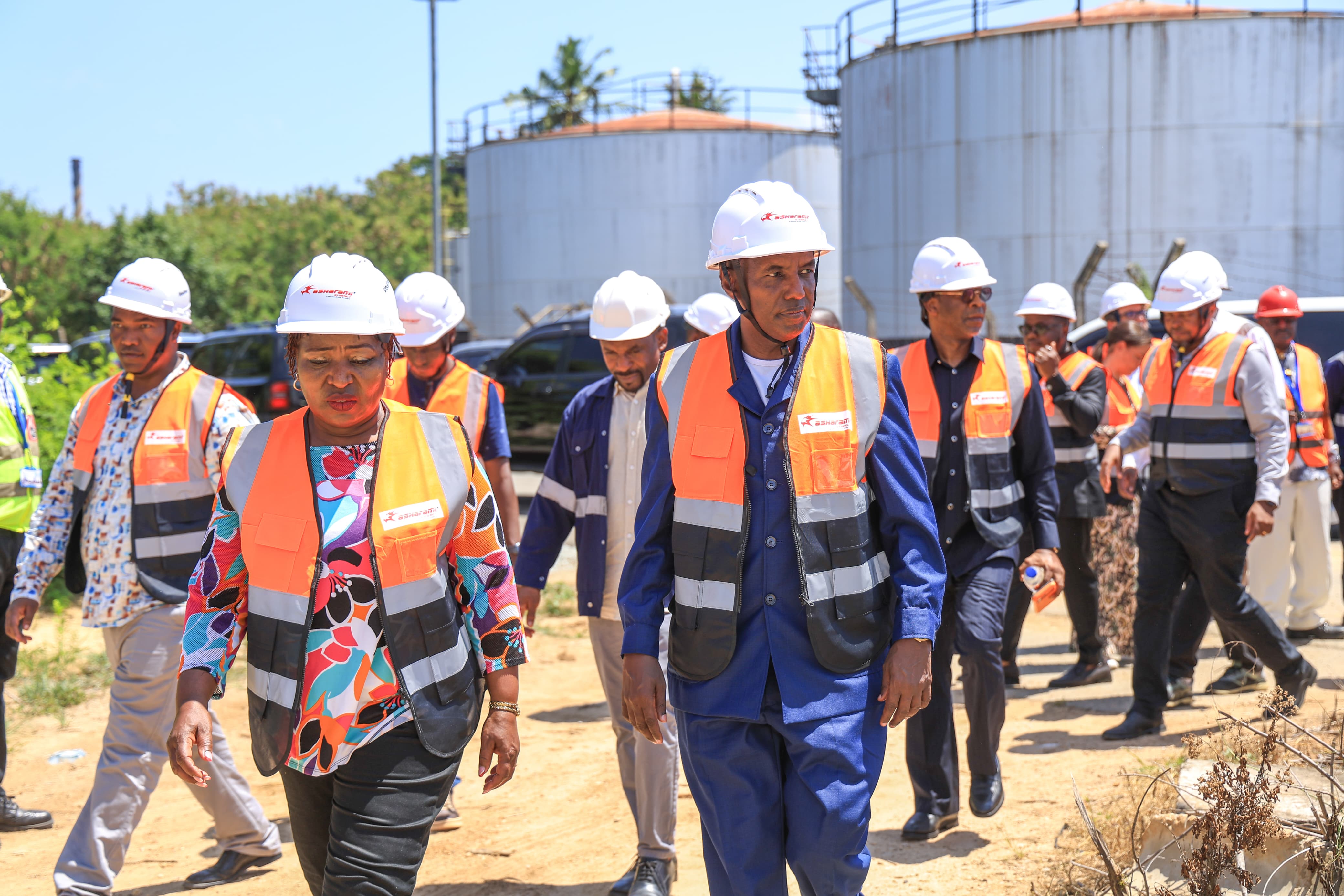
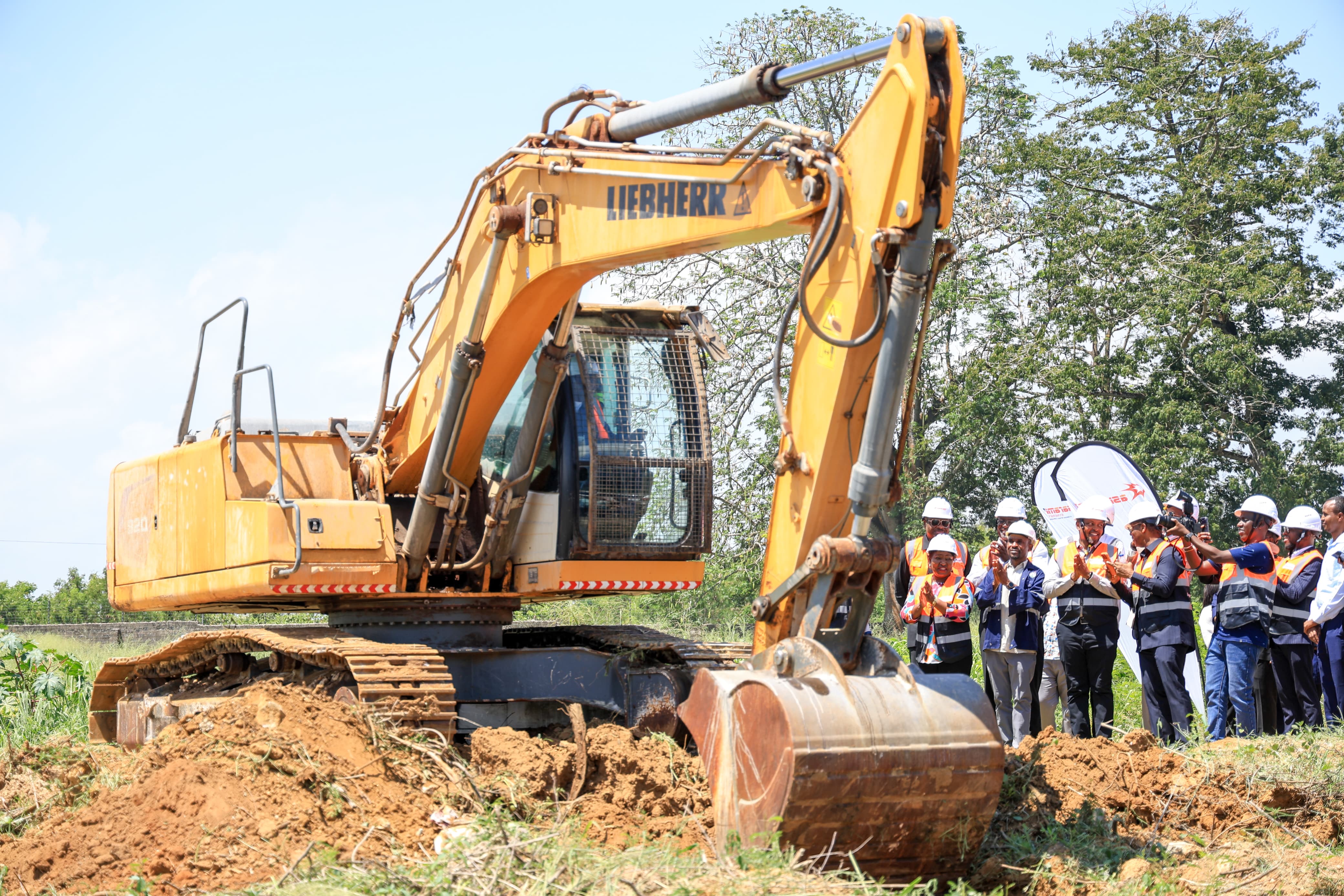
Kenya's push to move households away from firewood and charcoal is set to receive a boost following the groundbreaking of a 30,000-metric-tonne liquefied petroleum gas (LPG) storage facility in Changamwe, Mombasa.
The project, being developed by Asharami Synergy Limited, a subsidiary of Nigeria's Sahara Group, is expected to improve gas availability, strengthen supply security and potentially lower the cost of cooking gas for households and institutions.
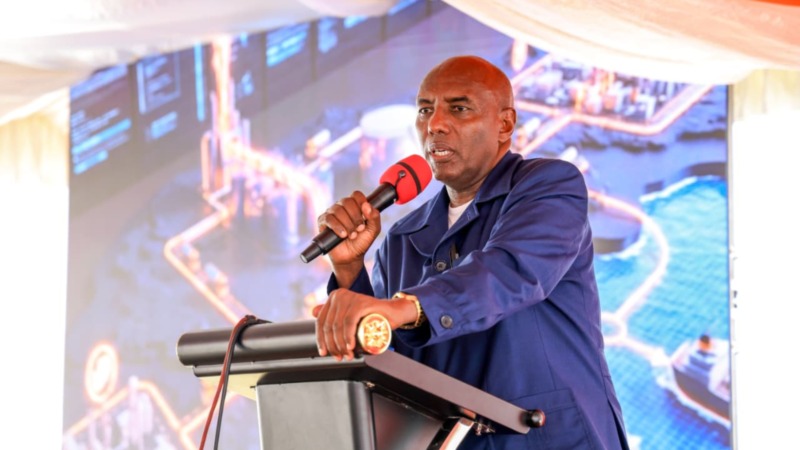
Speaking during the groundbreaking ceremony, Principal Secretary for Petroleum Phillip Kello Harsama said the government was targeting to provide more than 10 million households with access to LPG by 2028 as part of efforts to expand clean cooking.
He said the government was also planning to transition approximately 11,000 institutions, including schools, hospitals and prisons, from the use of firewood and charcoal.
Harsama urged private sector investors to work with institutions in financing and supplying LPG as the government implements its clean cooking programme.
He said the new facility would provide an opportunity for Asharami and other industry players to support the transition by improving the availability of gas.
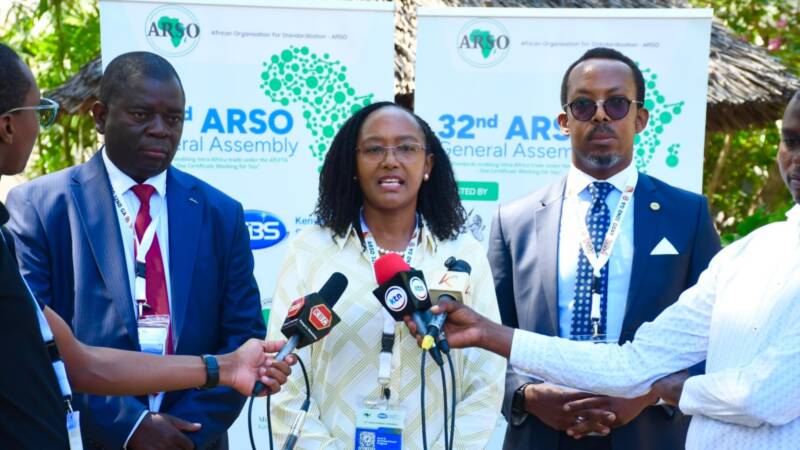
Energy and Petroleum Regulatory Authority Director General Eng. Edward Mwirigi Kinyua said indoor air pollution was responsible for approximately 25,000 deaths annually in Kenya, highlighting the health risks associated with traditional cooking methods.
Kinyua said only about 31 per cent of Kenyan households currently use LPG, with the government targeting to increase penetration to 70 per cent.
He noted that approximately 97 per cent of boarding schools in the country still relied on biomass, making institutional adoption an important part of the clean cooking agenda.
Kinyua said expanding LPG infrastructure would be critical in ensuring that households and institutions could access cleaner cooking alternatives.
Asharami Synergy Managing Director Bayo Shotomi said the new facility was expected to take 18 months to complete and would help lower gas prices while improving the reliability of supply.
Shotomi said the project was also aimed at reducing pressure on forests by providing an alternative to firewood and charcoal.

He said the investment was inspired in part by the daily struggles of households that still depend on firewood for cooking.
"Once completed, it would help lower the prices of gas to households, schools, hospitals and there will be security of LPG supply in the country," Shotomi said.
The facility will have a storage capacity of 30,000 metric tonnes and will operate under a common-user model, allowing different LPG market participants to access the infrastructure.
KPRL Chief Executive Officer CPA Joseph Ndoti said the project followed a strategic directive from Kenya Pipeline Company issued on February 6, 2024, to identify a private sector investor for the development of a bulk LPG facility at the refinery.
Ndoti said the process resulted in a lease agreement signed on August 24, 2025, paving the way for the investment.
Kenya Pipeline Company representative Tom Mailu said the shared infrastructure would eliminate the need for individual market players to develop costly import and storage facilities, while improving competition and distribution efficiency.
KPRL Board Chairperson Lilian Mahiri-Zaja said the partnership brought together public sector asset ownership and private sector investment to unlock the potential of the refinery's infrastructure.

Nigerian High Commissioner to Kenya Ambassador Ibrahim Danlami said the project was also significant in strengthening economic ties between the two countries and promoting African investment partnerships.
The facility is being developed on leased land at KPRL, a wholly owned subsidiary of Kenya Pipeline Company, with China CMC Engineering Company Limited serving as the contractor.