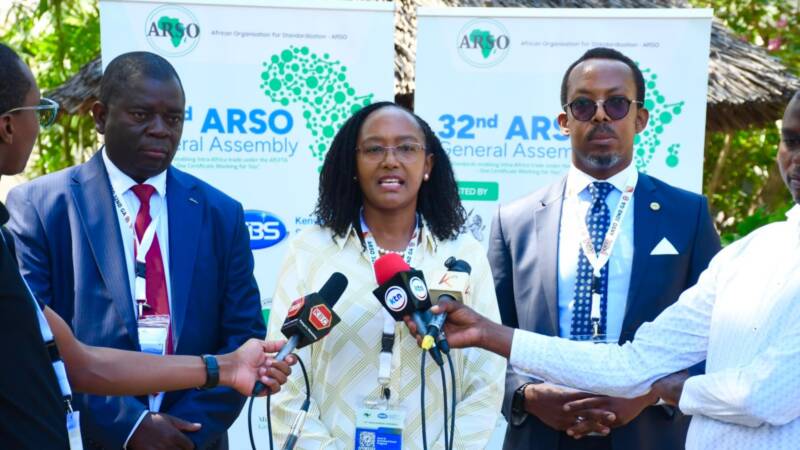
East African countries are stepping up efforts to strengthen and harmonise measurement systems as part of wider plans to boost regional trade, protect consumers and support industrial growth.
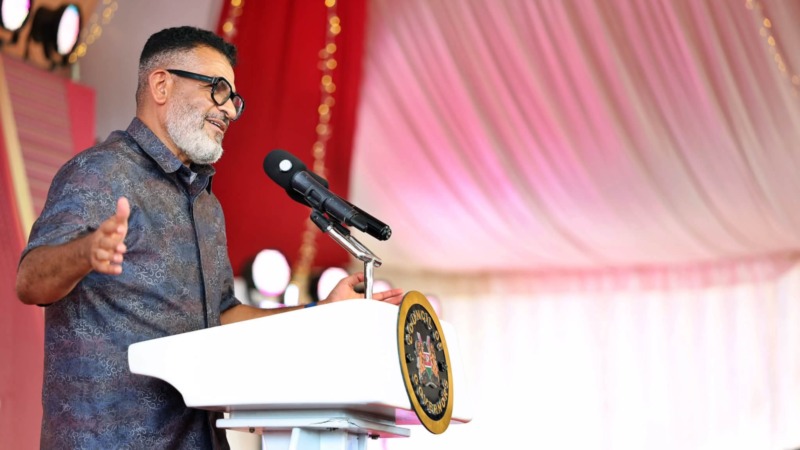
The push was highlighted during the opening of the Regional Metrology Conference in Mombasa, where Cabinet Secretary for Investments, Trade and Industry Lee Kinyanjui said reliable measurement systems are essential for economies seeking to compete in global markets.
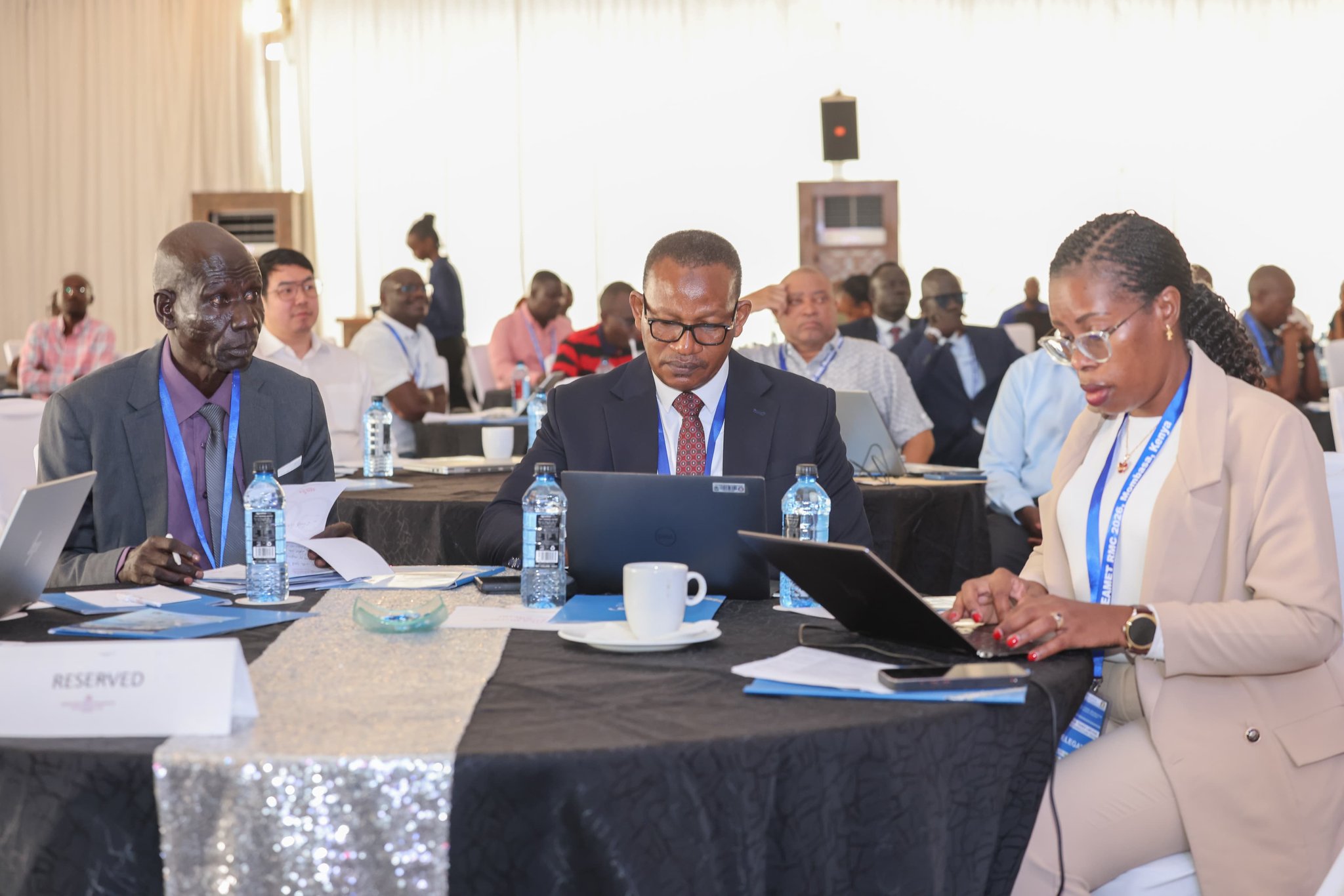
The conference, organised by the Kenya Bureau of Standards (KEBS), has brought together experts from national metrology institutes, regulators, industry leaders and development partners from across the region.
Delegates from countries including Tanzania, Uganda, Rwanda, Burundi, Somalia and the Democratic Republic of Congo are participating in discussions aimed at strengthening cooperation among national measurement institutions.
Kinyanjui said accurate measurement forms the foundation of quality infrastructure needed to support trade and industrialisation.
“Metrology stands at the heart of fairness in trade, integrity in healthcare, competitiveness in manufacturing and protection of the consumer,” he said.

He noted that strengthening measurement systems has become even more critical as African economies deepen integration through the East African Community and the African Continental Free Trade Area.
According to the Cabinet Secretary, the AfCFTA market of more than 1.4 billion people presents major opportunities for African producers but also demands stronger standards, accreditation and measurement systems.
“For East African products to access the AfCFTA market, our measurement systems must be credible and our calibration certificates mutually recognised,” he said.
KEBS Managing Director Esther Ngari said metrology plays a critical role in ensuring accuracy in sectors such as healthcare, manufacturing and trade.
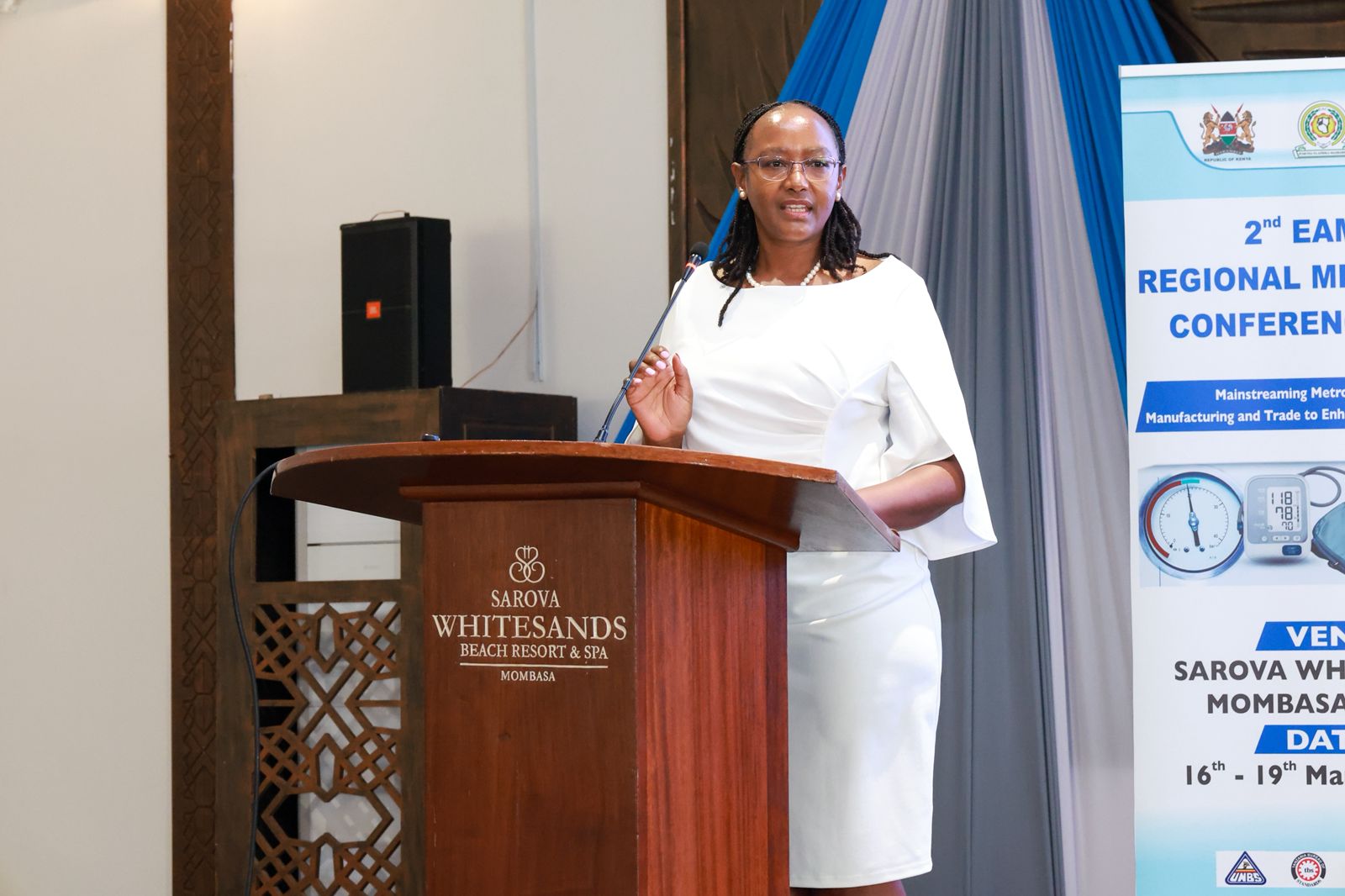
She explained that measurement systems influence everyday activities ranging from fuel dispensed at petrol stations to the performance of medical equipment in hospitals.
“It determines whether a child receives the correct dose of medicine, whether a farmer receives a fair price for produce and whether a manufacturer can export goods confidently,” Ngari said.
Ngari added that KEBS operates accredited calibration laboratories whose measurement capabilities are internationally recognised through the database of the International Bureau of Weights and Measures.
This recognition gives Kenyan calibration certificates global credibility, helping local industries participate in international trade.
National Standards Council Chairperson Chris Wamalwa said stronger collaboration between governments, industry and technical institutions will be necessary to build resilient regional measurement systems.
“Metrology may often work quietly behind the scenes, but its impact is visible in every safe medicine, every compliant product and every fair transaction,” he said.
Principal Secretary for Industry Juma Mukhwana said the conference provides a platform for countries in the region to strengthen cooperation and share technical expertise.
Participants are expected to develop proposals aimed at harmonising standards, expanding calibration capacity and improving coordination among national metrology institutions in East Africa.
Officials say stronger measurement systems will play a key role in supporting industrial growth, enhancing consumer protection and facilitating cross-border trade across the region.