A heavy midweek downpour brought parts of Mombasa to a standstill, with severe flooding reported in Nyali that left several families homeless and renewed concerns over the county’s persistent drainage challenges.
The rains, which had been forecast by the Kenya Meteorological Department, inundated low-lying areas, displacing residents and damaging property. Locals say the situation could have been mitigated, citing a lack of preparedness despite advance warnings of intense rainfall along the coast.
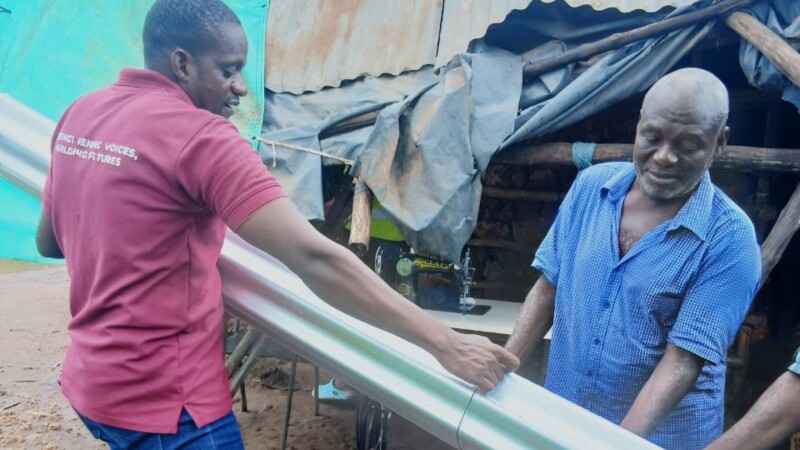
Amid growing frustration, relief efforts on the ground were led by communication consultant and security strategist Elkana Jacob, who provided support to affected households through his foundation. His intervention drew attention from residents, many of whom expressed disappointment over what they described as delayed or absent responses from elected leaders.
Speaking during the exercise, Jacob criticized what he termed a pattern of reactive leadership, calling for more sustainable and long-term solutions to recurring disasters in the area.
“This is the result of a system that prioritizes handouts over sustainable solutions. Leadership must go beyond politics and respond to the real needs of the people,” he said.
Residents who spoke to the press questioned why emergency assistance often comes from private individuals rather than public officials. Fatuma Nyule, also known as Mama Kibunda, said no elected leader had reached out to affected families at the time assistance was being distributed.
“We need leaders who show up when it matters,” she said, adding that she had heard of Jacob’s previous community support efforts.
Other residents, including Mzee Menza Mwabaya and Mama Mtaa Viena, described the flooding as part of a recurring pattern during heavy rains, blaming inadequate infrastructure and poor planning.
The situation in Nyali has reignited debate over urban planning, disaster preparedness, and leadership accountability in Mombasa County. Residents warn that without urgent intervention, flooding will continue to pose a seasonal threat rather than a preventable crisis.