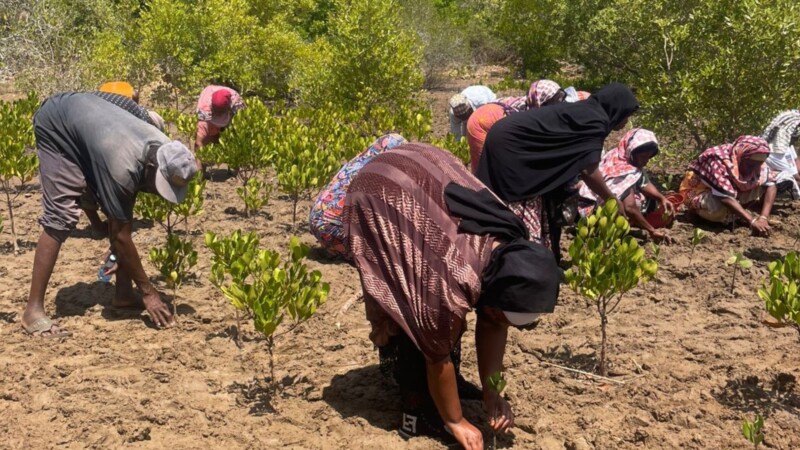
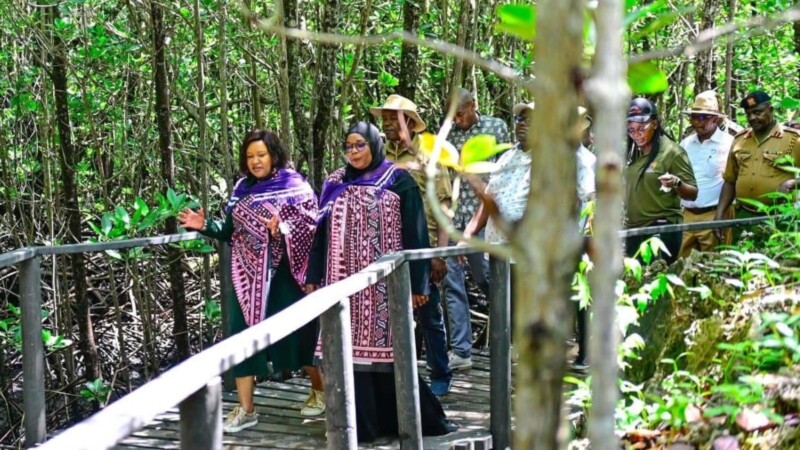
Governors have renewed their push for a second phase of the Financing Locally-Led Climate Action (FLLoCA) programme after hailing its impact in strengthening climate resilience through community-driven projects across Kenya.
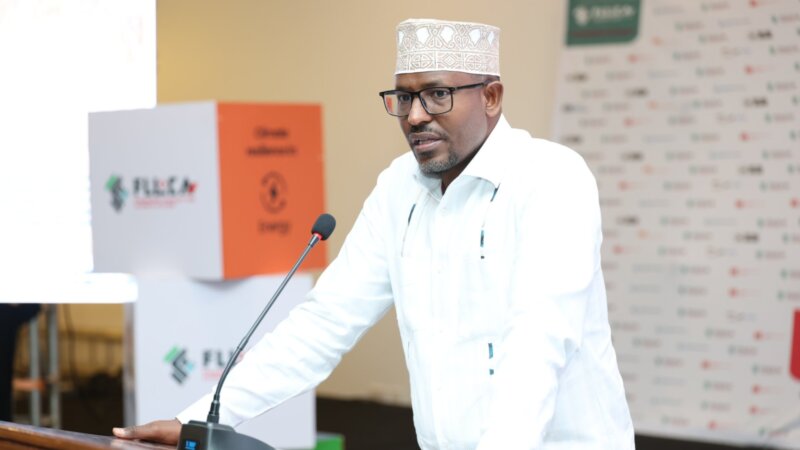
Speaking during the FLLoCA Stocktaking and Peer-to-Peer Learning Forum in Diani, Kwale County, Council of Governors Chair Ahmed Abdullahi said the programme has become one of Kenya's most successful climate financing initiatives, prompting calls for its continuation beyond the current phase.
"The programme has been a game changer. It has been replicated in many countries across Africa because of its success in Kenya. We are seeking a no-cost extension to June 30, 2027, to allow ongoing projects to be completed while we prepare for Phase Two," Abdullahi said.
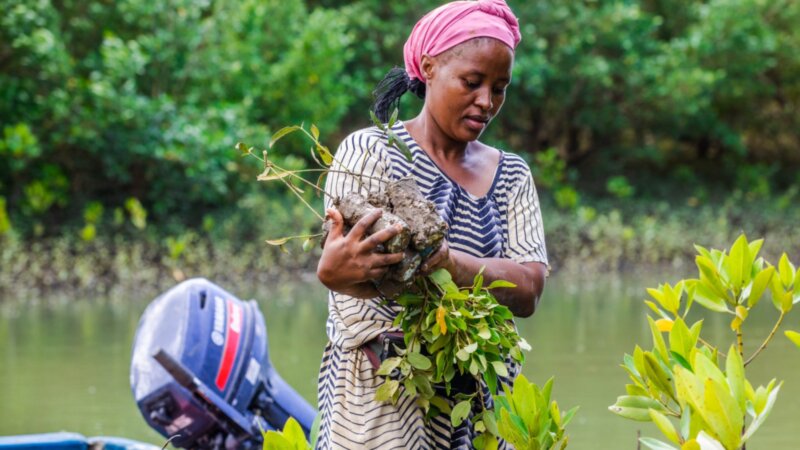
The programme, jointly funded by the World Bank, the Government of Kenya and county governments, supports community-selected projects in water security, climate-smart agriculture, environmental conservation and disaster resilience.
National FLLoCA Programme Coordinator Peter Odhengo announced that KSh7.1 billion had been released to 43 counties under the third County Climate Resilience Investment Grant.
He said more than 3,386 climate resilience projects have been implemented since the programme began in 2022, with water projects accounting for nearly half of all investments.
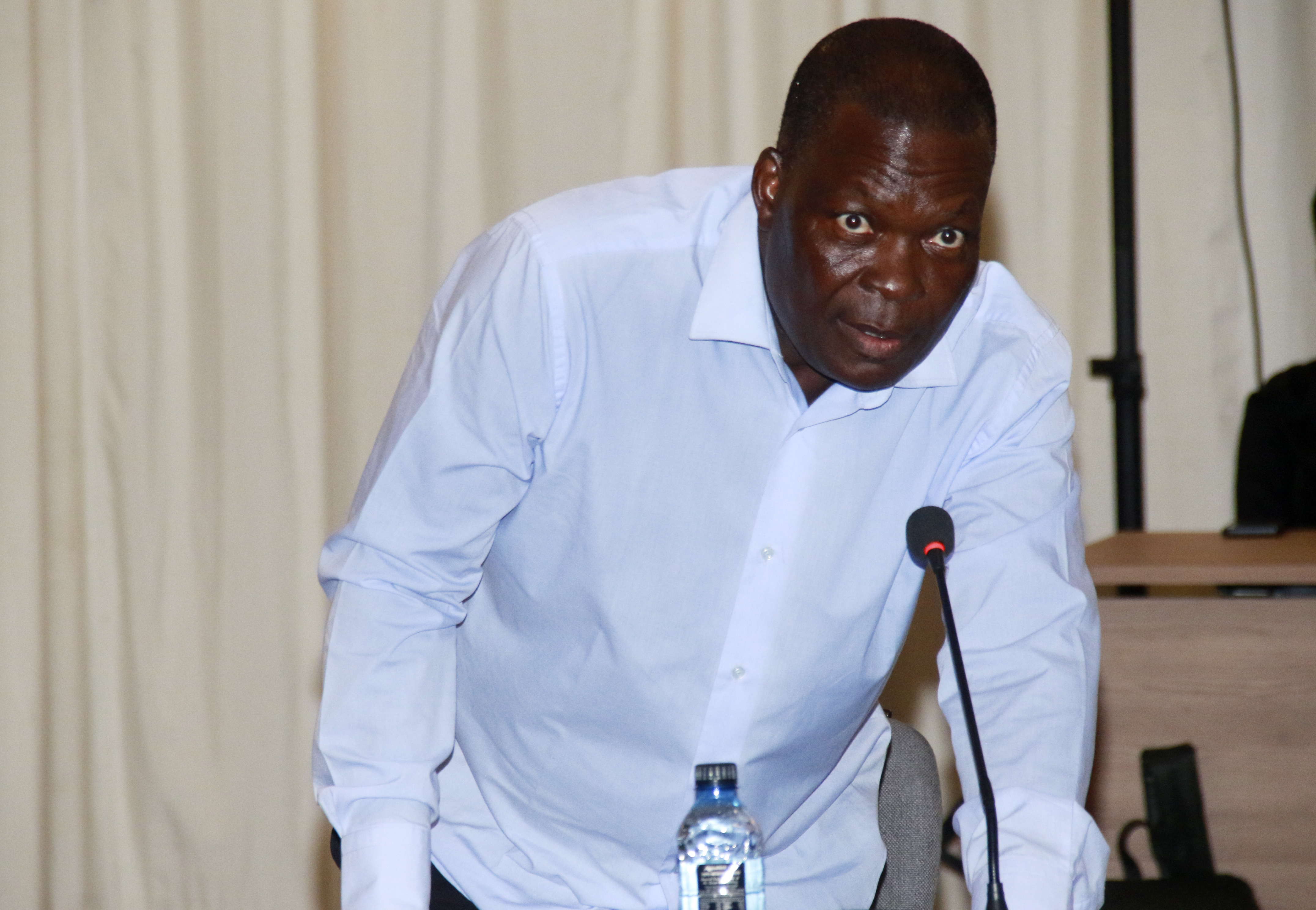
"The projects belong to the communities. They decide the priorities, they monitor implementation and even governors cannot change what communities have approved," Odhengo said.
He added that the proposed second phase will shift from infrastructure development to supporting village-owned enterprises capable of creating jobs and driving sustainable local economic growth.
Council of Governors Environment Committee Chair and Vihiga Governor Wilber Ottichilo said the initiative had exceeded expectations and was now being recognised internationally as a model for locally led climate financing.
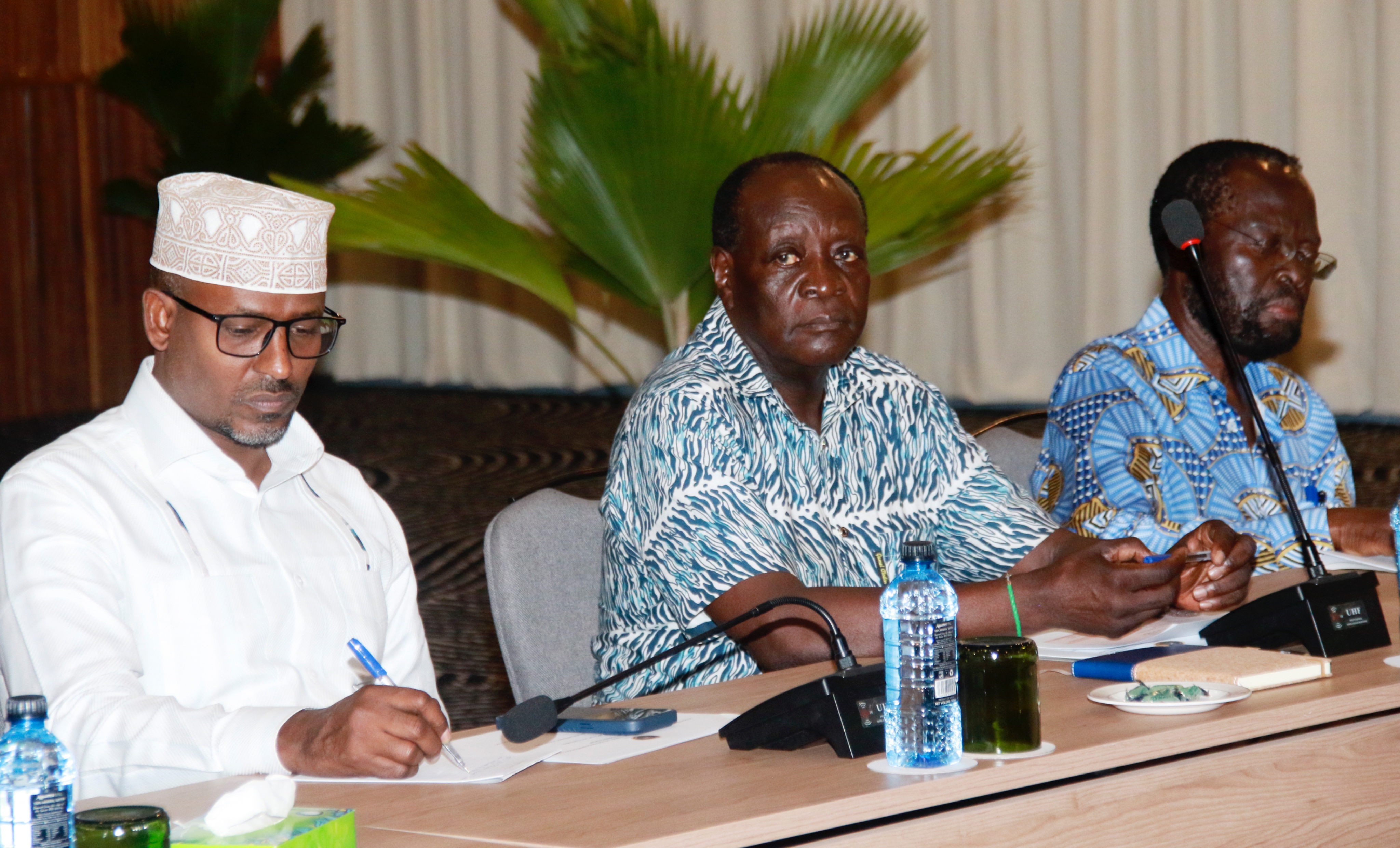
"The evaluation that has been done has shown that the impact of these projects has surpassed expectations. This project is now being taken as a model not only in Kenya or Africa but across the world," Ottichilo said.
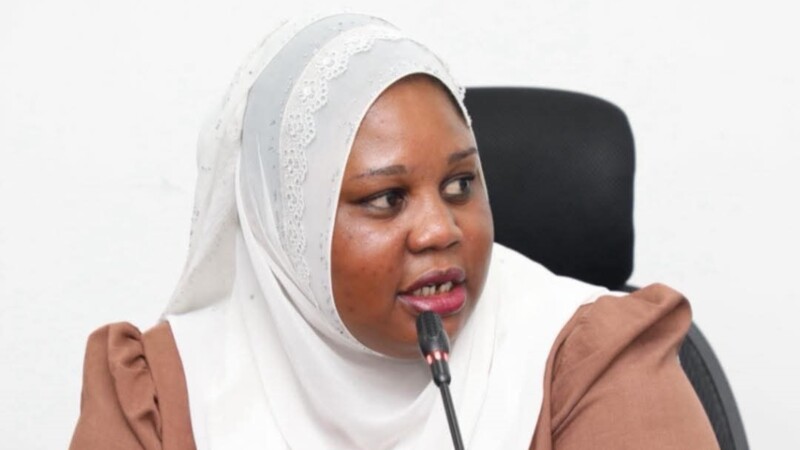
Kwale Governor Fatuma Achani attributed the programme's success to its bottom-up planning model, saying projects are identified through ward climate change committees and public participation rather than political interests.
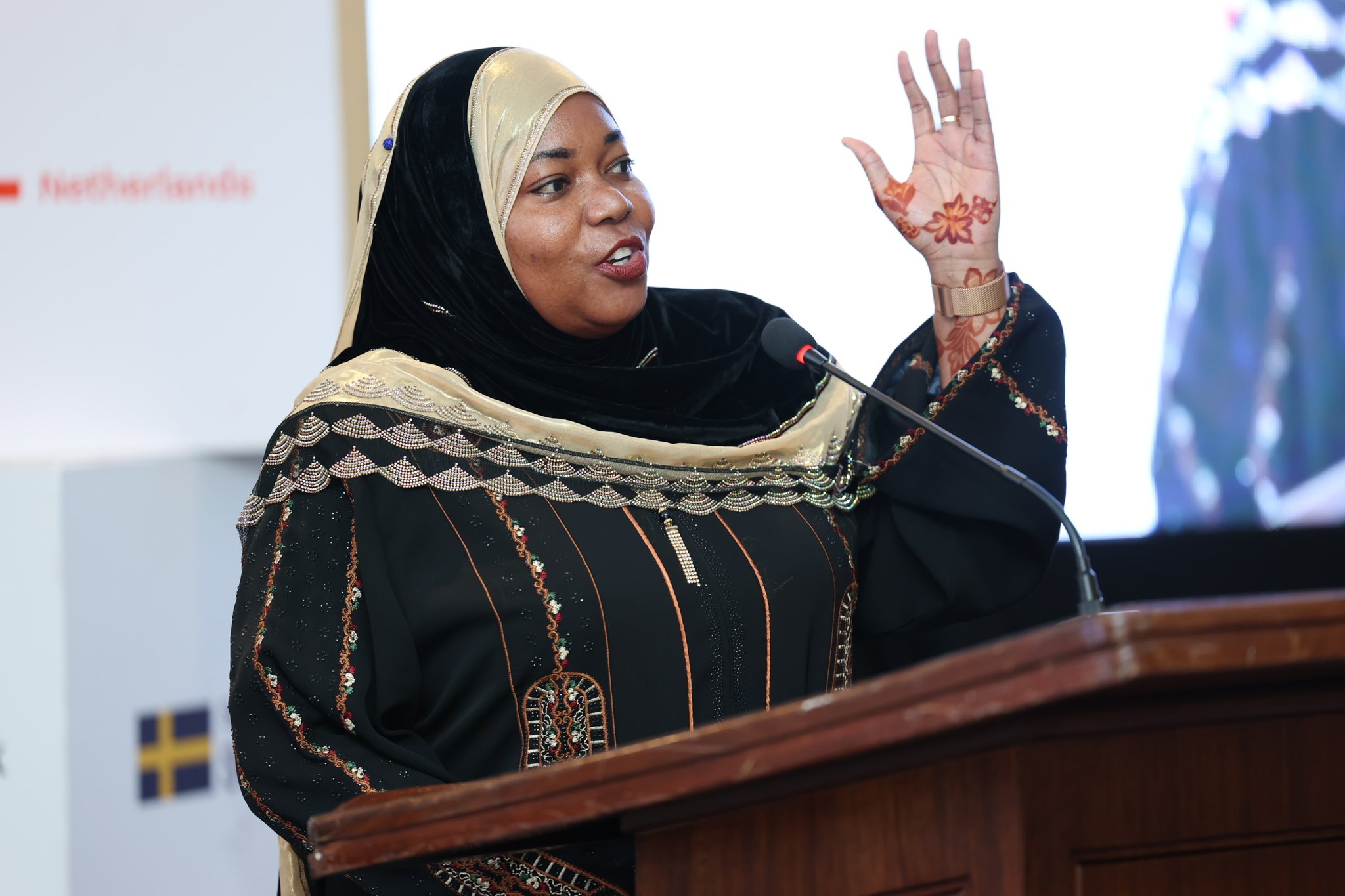
She said investments such as the Mtawa Water Pan have transformed livelihoods by providing reliable water for domestic use, irrigation and livestock in previously water-scarce areas.
Council of Governors Chief Executive Officer Mary Mwiti said counties had made significant progress in strengthening governance systems to ensure climate funds are used transparently and efficiently.
"We have been able to ensure that all the 45 participating counties have met the required conditions, established functional climate fund units and achieved close to 95 per cent performance across the counties," Mwiti said.
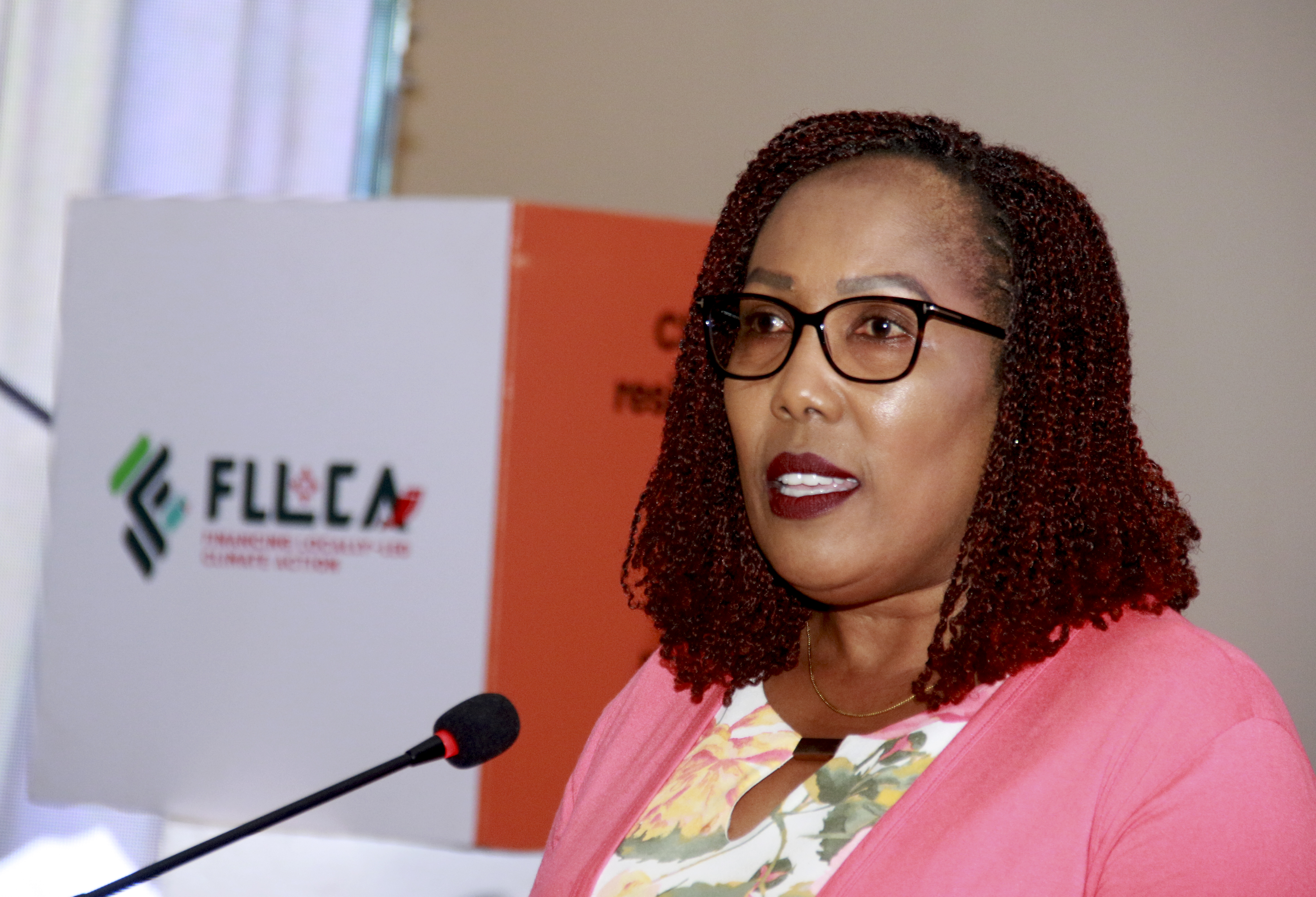
She noted that the first phase had primarily focused on preparing counties to manage climate finance effectively and said the gains should not be lost.
"We will be seeking a no-cost extension to ensure we close the project well while engaging the National Treasury to accommodate the next phase of FLLoCA so that the gains achieved over the last five years are not lost," she said.
Leaders at the forum said the extension would allow ongoing projects to be completed while preparations for Phase Two continue, with the next phase expected to scale up successful community investments and strengthen locally led climate resilience across the country.